Flower bed creation in Richmond
If you are looking for flower bed creation in Richmond, you are probably ready to make your garden look more finished, more colourful, and easier to enjoy throughout the year. A well-planned flower bed can transform a plain front garden, brighten a patio, soften a boundary fence, or bring life to the entrance of a business property. In Richmond, where homes range from classic terraces and period properties to modern apartments with compact outdoor spaces, thoughtful planting and proper bed construction matter just as much as the plants themselves.
Local conditions also shape the outcome. Richmond gardens can deal with a mix of shade, mature trees, narrow access, sloping plots, paved courtyards, and busy streets where parking and equipment access need to be considered before any work begins. That is why a local team understands more than just planting flowers. They know how to design flower beds that suit the space, support healthy growth, and stay manageable for the long term.
Whether you want a tidy decorative border, a low-maintenance planted area, seasonal colour, pollinator-friendly planting, or a complete redesign of an existing bed, the right service should combine planning, preparation, planting, and aftercare advice. Done properly, flower bed creation adds structure, character, and value to a property while making outdoor space feel more welcoming.
Why flower bed creation matters for Richmond properties

Richmond is known for attractive homes, tree-lined streets, leafy surroundings, and a wide mix of outdoor spaces. Those qualities make planting opportunities exciting, but they also mean the work has to be tailored to the property. A flower bed that looks good in a large open garden may not suit a shaded townhouse courtyard, and a display that works at the front of a detached house may not fit the practical needs of a commercial frontage.
For many local customers, the main goal is not just visual appeal. They want a bed that is easy to care for, suitable for the soil and light conditions, and planted with species that can cope with the site. In Richmond, that often means considering tree root competition, partial shade, drainage issues after heavy rain, and the amount of time a homeowner or business has for maintenance.
Flower bed creation in Richmond is especially useful when a garden feels unfinished or difficult to use. A well-built bed can define the layout of the space, create a focal point, improve privacy, and give structure to areas that otherwise feel plain or disconnected. It can also help separate lawn from paving, soften hard landscaping, and create a more polished look in both residential and commercial settings.
Common property types we work around
Every site is different, and Richmond includes a wide range of property styles. A local team should be comfortable working around:
- Victorian and Edwardian houses with front gardens and established boundaries
- Terraced homes with narrow access and limited side entry
- Townhouses with small courtyard gardens
- Modern flats and apartments with planters, communal edges, or compact outdoor areas
- Detached and semi-detached homes with larger family gardens
- Commercial premises, offices, shops, hospitality venues, and shared entrances
These different settings need different approaches. A flower bed near a busy pavement may need strong edging and resilient planting. A shaded rear garden might need plants chosen for lower light. A business frontage may benefit from tidy, reliable, attractive planting that stays presentable with a practical level of upkeep.
What is included in a flower bed creation service
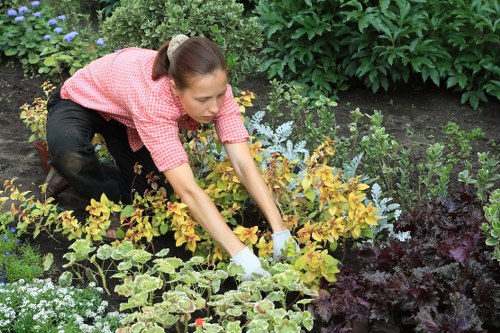
A professional service usually begins with a site assessment. This is where the team looks at the space, checks the soil, notes how much sun or shade the area receives, and identifies any issues that could affect the long-term success of the bed. In Richmond, this step matters because older gardens often contain compacted soil, established roots, or uneven ground that needs proper preparation before planting starts.
The exact scope will vary depending on the property and your aims, but a complete flower bed creation service commonly includes design planning, ground preparation, edging, soil improvement, planting, and finishing touches. It may also include replacing tired existing beds, reshaping borders, or converting underused patches of lawn, gravel, or bare ground into attractive planting areas.
The benefit of using a local service is that all these steps can be adapted to the reality of your site. If access is tight, materials may need to be carried in smaller loads. If parking is limited, timings and logistics need to be planned carefully. If you live near a busy stretch or in a shared residential area, a tidy, efficient approach is especially important.
Typical stages of the work
Most projects follow a sequence similar to this:
- Initial discussion about style, purpose, and budget range
- Survey of the garden or frontage
- Removal of weeds, old planting, debris, or unwanted materials
- Shaping and marking out the bed
- Improving the soil structure where needed
- Installing edging or defining the border
- Choosing and planting suitable flowers, shrubs, or mixed planting schemes
- Mulching and finishing for appearance and moisture retention
- Advice on watering, feeding, and ongoing maintenance
Some customers want a simple and neat flower border, while others want a more layered and varied scheme with spring bulbs, summer colour, evergreen structure, and seasonal interest. Both approaches can work well if they are planned properly from the beginning.
Design choices that make a difference
Good flower bed design is about more than colour selection. The layout should consider height, spread, texture, flowering times, and how the bed will look from inside the house or from the street. In many Richmond homes, the view from the front window or entrance path is just as important as the view from the garden itself.
Some customers want a formal, clipped look with neat lines and controlled planting. Others prefer a softer, more natural style with layered perennials, grasses, and pollinator-friendly flowers. A local specialist can help choose a style that suits your property rather than forcing a generic layout into a space it does not suit.
How flower bed creation works on a Richmond site

Every garden starts with the practical realities of the site. In Richmond, access is often a major consideration. Some properties have narrow side passages, basement-level gardens, steps down to the rear, or limited room for wheelbarrows and material storage. On streets with parking restrictions or limited space outside the property, work needs to be planned efficiently so the project is completed without unnecessary disruption.
The first task is usually to identify the best location for the bed and decide how much space should be used. This may involve reshaping existing borders, building a bed along a fence, adding planting around a patio, or creating a new feature bed in an open lawn. The right choice depends on how you use the space, what the soil and light conditions are like, and whether you want a decorative, functional, or low-maintenance result.
Once the layout has been agreed, the ground is prepared carefully. Weeds, roots, rubble, and old plant material need to be removed. Soil may need to be loosened, improved with compost or other organic matter, or levelled so that the bed can support healthy plants. If drainage is poor, that issue should be addressed before planting because waterlogging can quickly damage new plants.
Local knowledge helps with planting success
Richmond includes areas with mature trees, established gardens, and mixed sun conditions. In some places, tree roots can compete strongly for water and nutrients. In others, buildings or boundary walls create strong shade for part of the day. A planting scheme should reflect those conditions rather than fight them.
That is one reason why local knowledge matters. A team familiar with the area understands which plants generally cope well in partial shade, which soils may need improvement, and how to build a border that continues to look good after the first few weeks. That practical understanding can save time, reduce disappointment, and improve long-term results.
Planting styles often requested by Richmond customers
- Seasonal colour beds for constant changes through the year
- Low-maintenance borders for busy households or managed premises
- Wildlife-friendly planting to support pollinators and garden biodiversity
- Formal front beds for tidy kerb appeal
- Mixed perennial beds for reliable structure and repeated flowering
- Compact planting schemes for small courtyards, patios, and terraces
Each style can work well when it matches the property and the customer’s routine. For example, a family with limited gardening time may prefer a scheme that needs less frequent intervention, while a business may want something tidy and attractive but not overly demanding to maintain.
Benefits of a professionally created flower bed

A well-built flower bed does more than look attractive on day one. It creates a lasting feature that can improve the usability and enjoyment of your outdoor space. In Richmond, where outdoor areas often play a big role in how a home or business feels, these benefits can be especially noticeable.
One major benefit is visual structure. A bed gives shape to the garden, guiding the eye and creating clearer zones. This is helpful in both large and small spaces. Another benefit is kerb appeal, particularly for front gardens and commercial entrances where the planting forms part of the first impression. A neat, well-designed bed can make a property look cared for and inviting.
There are also practical advantages. Planting can help soften harsh paved areas, reduce the feeling of empty space, and create a more comfortable environment. In some gardens, raised or bordered beds help organise water flow and make the space easier to manage. For homeowners who want a garden that feels finished without requiring a full landscaping redesign, flower beds are often one of the most effective changes available.
Why customers choose this service
- To refresh tired or bare garden areas
- To replace patchy or neglected borders
- To increase colour and seasonal interest
- To improve the appearance of a front garden or entrance
- To make maintenance simpler with a properly planned layout
- To create a more welcoming setting for visitors, tenants, or customers
When the bed is designed around the realities of the site, it can remain attractive for much longer and require fewer fixes later on. That is a major reason many Richmond property owners prefer a professionally planned approach rather than trying to assemble a planting scheme without preparation.
Residential and commercial use cases
At homes, flower beds often frame paths, soften fences, improve front gardens, or make patios and rear gardens feel more finished. At commercial properties, they can improve the look of entrances, courtyards, shared exterior spaces, and customer-facing areas. The planting style may be different, but the goal is similar: create a space that looks intentional, cared for, and suited to the building.
What to prepare before work begins

Good preparation helps the project run smoothly and can make the finished result better. Before your flower bed project begins, it helps to think about how you want to use the space and what matters most to you. Do you want colour all year? Do you want something low-maintenance? Are you hoping to attract bees and butterflies? Are you improving a front garden for appearance, or a rear garden for personal enjoyment?
It is also helpful to be clear about access. In Richmond, some properties have limited on-street parking, narrow alleyways, steps, or shared entrance points. Letting the team know about these conditions in advance means they can plan the work efficiently and avoid delays. If you have gates, pets, or sensitive plants nearby, those details are worth mentioning too.
For many customers, the best results come from a short planning conversation before any tools come out. That conversation can cover layout ideas, existing problems, preferred colours, sun and shade conditions, and how much maintenance you are comfortable with over the months ahead.
Preparation checklist for customers
- Decide the main purpose of the bed
- Think about your preferred style: formal, relaxed, colourful, or low-maintenance
- Identify any areas with poor drainage or heavy shade
- Note access points and parking constraints
- Clear away loose items from the work area if possible
- Let the team know about pets, gates, or shared spaces
- Be ready to discuss whether you want seasonal planting or longer-term structure
If you are not sure what you want, that is perfectly normal. Many customers know the look they want to achieve but need help turning it into a practical planting plan. A local specialist can recommend options that fit the property, the space, and your level of involvement.
Pricing factors for flower bed creation
Because every site is different, pricing is usually shaped by a range of factors rather than a standard fixed figure. The size of the bed matters, but so do access, ground conditions, plant selection, edging requirements, and whether old materials need to be removed first. A small bed that is hard to access may take more time than a larger one with easy entry.
In Richmond, cost considerations can also be influenced by the condition of the existing garden. If a border is overgrown, full of roots, or affected by compacted soil, more preparation may be needed before planting can begin. If you want a custom planting scheme with multiple layers or specific plant types, the plant sourcing and design work may also influence the overall scope.
Rather than focusing only on the initial outlay, it often makes sense to think about lasting value. A properly created flower bed may reduce the need for corrections later and can make the space easier to maintain. That means the project is not only about appearance but about creating something that works well in daily life.
Factors that may affect the quote
- Bed size and shape
- How much clearing or removal is needed
- Condition of the soil
- Need for edging, borders, or raised features
- Plant choice and planting density
- Access and parking limitations
- Whether the area is residential or commercial
- Whether the project is a new creation or a replacement of an old bed
Request a free quote if you are comparing options for your garden or frontage. A proper site discussion helps clarify what is involved and gives you a realistic sense of the work needed before anything starts.
Why choose a local Richmond company
There are real advantages to using a team that works locally and understands the area. Richmond has varied housing styles, mature planting, and access conditions that are not always straightforward. A local service is better placed to anticipate common issues before they become problems. That includes knowing how to work around narrow access, where parking can be difficult, and how to adapt planting to the conditions often found in local gardens.
Local experience also matters when it comes to communication and scheduling. A team already used to working in Richmond can plan visits around the practical realities of the area, reducing disruption for householders, tenants, and business owners. If your property sits near busier roads, shared entrances, or tightly packed residential streets, that practical familiarity is especially useful.
Another advantage is the ability to choose plants and materials with local conditions in mind. A one-size-fits-all approach is not ideal for flower bed creation in Richmond. Different sites need different solutions, and a local company is more likely to understand which options suit the mix of sunlight, shade, soil, and maintenance needs in your particular part of the area.
Areas covered around Richmond
Depending on the project, service may extend across Richmond and surrounding neighbourhoods such as:
- Richmond town centre and nearby residential streets
- Richmond Hill
- Kew
- North Sheen
- East Sheen
- Twickenham
- St Margarets
- Ham
- Isleworth
- Teddington
- Mortlake
- Brentford
Coverage can vary depending on the size and type of job, but the point is the same: a local service should be able to respond to the practical realities of the wider Richmond area and nearby neighbourhoods without making the process complicated for you.
Frequently asked questions
How long does flower bed creation usually take?
The time required depends on the size of the bed, the amount of preparation needed, and the complexity of the planting. A straightforward border may be completed much faster than a project that involves significant clearing, soil improvement, or custom design work. A site visit is the best way to estimate timing accurately.
Can you create beds in small or awkward spaces?
Yes. Many Richmond properties have limited outdoor areas, but compact spaces can still be turned into attractive planting features. Small courtyards, narrow side areas, and front gardens can all benefit from a well-planned bed, especially when the shape and planting are chosen carefully.
What if the area has poor soil or heavy shade?
That is common in established gardens. Soil can often be improved, and the planting scheme can be chosen to suit shade or partial shade. The key is to assess conditions before planting so the bed has the best chance of lasting well.
Do I need to know exactly what plants I want?
No. Many customers know the general style they want but are not sure about plant names or combinations. A local team can suggest suitable options based on colour preference, maintenance level, flowering season, and site conditions.
Can the service work for businesses as well as homes?
Yes. Flower bed creation is useful for residential front gardens, shared entrances, offices, shops, hospitality properties, and other commercial spaces. The style may be more practical and structured for business settings, but the aim is still to create a neat, welcoming, well-maintained appearance.
What kind of maintenance will the new bed need?
That depends on the planting style. Some beds need only light seasonal care, while others benefit from more regular attention. After the work is done, you should receive sensible advice on watering, feeding, pruning, and general upkeep so you can keep the area looking good.
How to get started
If your garden feels unfinished, overgrown, or simply in need of a new focal point, now is a great time to consider flower bed creation in Richmond. Whether you want a decorative front border, a colourful rear garden feature, or a planting area that makes a business entrance look more inviting, a local service can help turn the idea into something practical and long-lasting.
The best next step is to discuss your space, your goals, and any access or maintenance concerns. From there, you can get a clear sense of what is possible and what type of planting will suit the site best. Contact us today to start planning your flower bed project, or book your service now if you are ready to move ahead with a fresh, well-designed planting area.
Request a free quote and take the first step toward a garden or frontage that feels more complete, more attractive, and better suited to everyday use in Richmond.

